

Operation Spotlight- Keeping young drivers safe

|
||
|
|
||
|
||
|
Operation Spotlight- Keeping young drivers safe |
||
|
While reducing the number of people killed and seriously injured on the county’s roads has always been a priority for the Road Policing and Safer Roads Team, this is the first time road safety has been included in Northamptonshire Police’s Force Control Strategy. The control strategy sets out the key operational policing priorities until 2028, which means officers and police staff across the Force will be working together to ensure everyone using our roads gets home safely. Through education, partnership working and targeted enforcement, the Force will focus its efforts on tackling the behaviours and risks which contribute most to serious collisions and fatalities. These four key areas are:
Over the next 12 months, the four key areas will have their own policing operation, starting with young drivers who are the focus of the latest National Police Chief’s Council (NPCC) Operation Spotlight campaign.
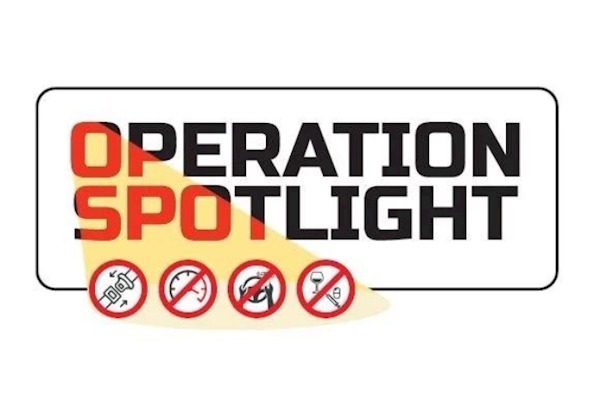
Operation Spotlight aims to raise awareness of the dangers and consequences of the five biggest contributory factors in collisions - driving under the influence of drink or drugs, mobile phone use, speeding, not wearing a seatbelt and careless driving.
Parents of young drivers are being encouraged to stay involved in their children’s driving while they are learning and in the months after they pass their test - with experts saying their support can play a vital role in keeping them safe.
Running from 14 September to 4 October, Operation Spotlight will bring together police activity, education and public engagement to tackle young driver risk and help reduce deaths and serious injuries.
The focus coincides with young people returning to school, college, university and work following the summer, while evenings begin to draw in and driving conditions start to change.
What parents can do: Parents can continue to support young drivers before, during and after they pass their test by: Helping them build experience gradually – including driving at night, on rural roads and in different weather conditions Agreeing sensible boundaries - around passengers and late-night driving, particularly while experience is still developing Give them a way out – make clear they can always call home for a lift if they feel unsafe or uncomfortable with someone’s driving Help them speak up as a passenger – encourage young people to think in advance about what they might say if a friend’s driving frightens them. Even “I feel sick – can you pull over?” can offer a less confrontational way to get out of the car Create a parent lift network – team up with other parents to share lifts for nights out and social events. A simple WhatsApp group can make it easier to coordinate lifts, so young people know there’s always a safe way home and don’t feel they have to drive or accept a lift when they’re uncomfortable Considering safety when choosing a first car – where possible, look at a vehicle’s safety performance and features as well as its cost Use a parent-young driver agreement – agree expectations and boundaries together from the outset, while gradually increasing independence as the young driver gains experience. An agreement can provide a positive starting point for conversations about safe driving, including issues such as passengers, night-time driving and use of the car. IAM RoadSmart has a parent-young driver agreement that families can use here.
Anyone with information about road safety concerns or any vehicle crime is asked to report it online at www.northants.police.uk or call Northamptonshire Police on 101. Alternatively, you can call Crimestoppers anonymously on 0800 555 111.
Always call 999 in the event of an emergency, such as a crime in progress or where life is at risk.
| ||
Reply to this message | ||
|


|